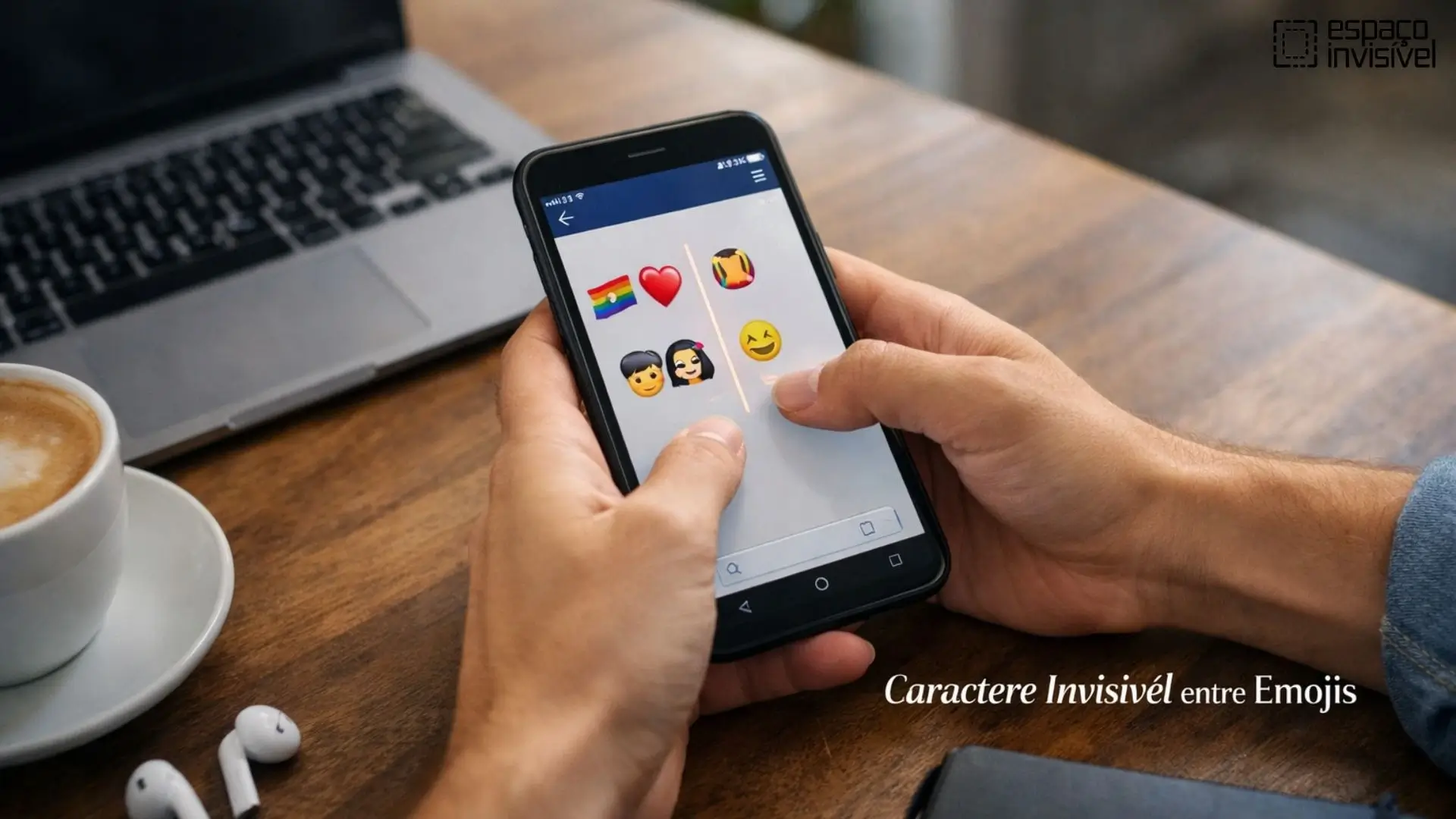
The Invisible Character (Zero Width Joiner) Behind Emoji Combinations
I know you’re puzzled, but the answer is to use family combos and smiley faces. But don’t worry, I have a new and shocking answer: the character that isn’t there. Most people just care about the emojis themselves, whereas the invisible character, which is a hidden Unicode element, has a giant effect on how these emojis seem.
People regularly use emojis together in apps like Instagram, WhatsApp, and Messenger to talk to each other. This character can improve your layout, make content more appealing, and increase engagement.
What is the zero-width joiner?
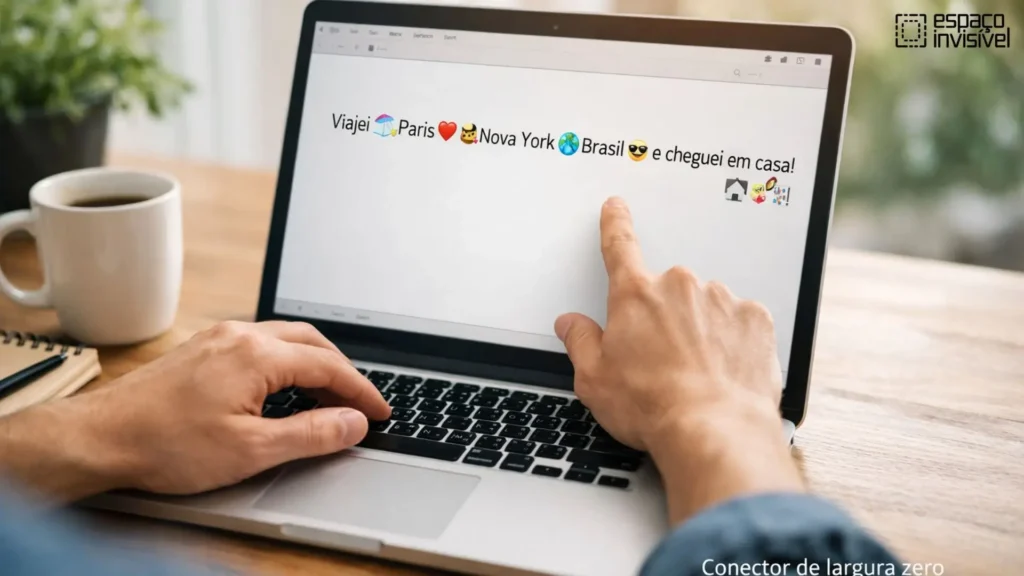
By applying this hidden Unicode feature, developers and advanced users may be able to better handle emoji combinations, improve message formatting, and make sure that modern digital communication platforms perform well all the time. The zero-width joiner (U+200D) is a character that you can’t see and that doesn’t have a width or an appearance. It typically shows that two or more characters have joined together to produce a new emoji. People who use apps like WhatsApp can exploit ZWJ characters by placing them in text boxes to get past length constraints. This behaviour makes messages extremely long, which is stressful for both clients and servers.
Zero-width non-joiner
The invisible zero-width non-joiner ZWNJ character is used in digital writing systems that incorporate ligatures. It shows each character in both its final and starting forms and stops two characters that would normally make a ligature from doing so. It splits the ligature, but the characters stay close together, like a gap, or it allows a word to attach to its morpheme.
This Unicode element allows typographers, developers, and sophisticated users to change how text looks, make formatting more precise, and make material simpler to read on new digital communication and publication platforms.
How the Invisible Character Affects Emoji Combinations
The invisible character is a key feature of placing together emoji combinations. It combines many emojis into one sequence to form symbols that show strong feelings, identities, and ideas. This encoded link improves digital communication, makes things more trusted across platforms, and generates information that is captivating and expressive.
It also allows users, designers, and developers on sites like Instagram, WhatsApp, and Messenger to generate posts that look good enough, get more people to connect with them, and make sure that emojis show up correctly on all digital communication channels.
- Unified emoji creation: By making several emojis into one effortlessly simple symbol, you can make your message clearer while boosting cutting-edge digital communication on sites like Instagram, WhatsApp, and Messenger.
- Portrayal of identity: By allowing personalities, families, and professions to be represented with a single emoji, this strategy makes digital communication more expressive and personalised.
- Visual coherence: Unified emojis make it look like emojis are all together instead of separate on compatible systems. This makes the presentation more consistent across platforms and devices.
- Accessibility improvement: Making it easier for screen readers to understand mixed emojis makes things more accessible and encourages everyone to communicate more openly.
Why You Should Use Invisible Characters Carefully
Invisible characters, such as the Zero-Width Joiner ZWJ, improve the look of digital content, text formatting, and emoji combinations. However, if they are used incorrectly, they can cause problems with cross-platform display, emoji rendering, and formatting that hurt user experience and SEO performance.
But developers, designers, and users of digital communication apps like Instagram, WhatsApp Messenger, and others can see how important it is to use Unicode correctly. This makes content more accessible and keeps posts visually consistent and interesting across modern software and devices.
Key Reasons to Use Them Carefully
- Compatibility across platforms: It may be difficult to get consistent emoji and text rendering in apps like Instagram, WhatsApp, Messenger, and others if ZWJ sequences are not displayed correctly on different devices and apps.
- Formatting problems: Placing invisible characters in the wrong location can disrupt the structure, layout, and spacing, causing drawing posts to appear strange and making it difficult to view digital material.
- Accessibility issues: Screen readers might not read complicated or concealed characters correctly, which makes it harder for people who use assistive technology to access information and makes communication less inclusive.
- Impact on SEO: Invisible characters can make material less visible and less likely to be shared on modern digital platforms by making it harder for search engines to scan and index it.
- User experience: Using strange slang words or emoticons in place might make the average user less thrilled, engaged, and active. This shows how essential it is to employ ZWJ properly for cross-platform consistency and successful digital communication.
How zwj works with emojis
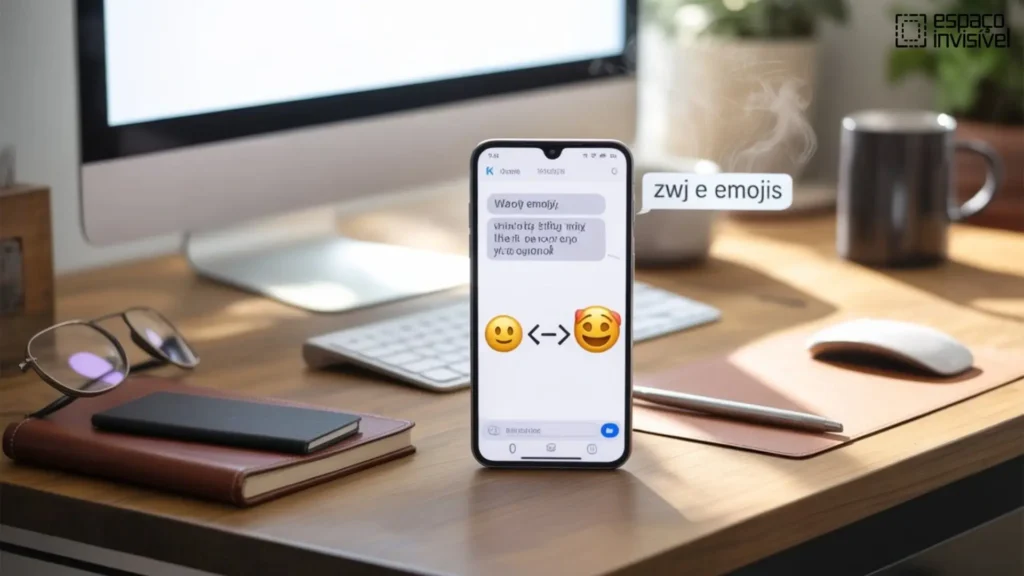
By putting a ZWJ (Zero-Width Joiner), which is an invisible character, between two or more DINGAL-rendered emojis to make a complex emoji, developers, designers, and users on platforms like Instagram, WhatsApp, and Messenger can make emoji sequences that make sense, make things look more consistent, make things look better on different platforms, and make digital messages more captivating and expressive.
- Family emoji: A man ZWJ woman ZWJ girl ZWJ boy sequence is used to produce the 👨👩👧👦 emoji, which demonstrates how Zero-Width Joiner ZWJ Unicode characters allow for coherent, emotive emoji pairings on Instagram, WhatsApp, and Messenger.
- Woman technologist emoji: The 👩💻 emoji, which is made from a woman’s laptop, clarifies the way ZWJ sequences may be used to make emojis that look great on all kinds of devices and make digital communication better.
- Rainbow flag emoji: The 🏳️🌈 emoji, which is made using a white flag ZWJ rainbow sequence, shows how invisible Unicode letters can be utilised to make fun, friendly, and eye-catching emojis in modern messaging programmes.
Scripts using ligatures employ the ZWJ (Zero-Width Joiner) to regulate how characters are shown. When you connect or divide characters, you utilise an invisible character to make sure that everything looks right, is formatted correctly, and is consistent across platforms like Instagram, WhatsApp, and Messenger.
The technical side of ZWJ
The Unicode letter U+200D, also known as the ZWJ Zero-Width Joiner, informs the system to combine two or more characters or emojis that are next to each other into one glyph. It works differently based on the application, the type of text, and the platform, such Instagram, WhatsApp, Messenger, and other modern digital communication tools. It shows many characters as one glyph by connecting them with a ligature. For example, in typography, it includes letters like “fi” into one character, and it merges emojis to make new meanings.
ZWJ in different contexts
The Zero-Width Joiner (ZWJ), a hidden character (Unicode U+200D), has an unexpected use in modern digital communication. It lets users, designers, and developers update content on platforms like Instagram, WhatsApp Messenger, and other digital communication programmes without adding visible spaces. To make content that looks good and is consistent, the procedure includes controlling digital fonts, keeping text formatting, and making complicated emoji sequences.
How ZWJ Creates Unique Emoji Sequences
The ZWJ (Zero-Width Joiner) is often used to make emoji combinations like 👨 + ZWJ + 🎨 for “man artist” and other things. This method expands the emoji universe, makes things more consistent across platforms, and lets users use one symbol to show numerous positions, families, and races.
ZWJ’s Role in Text Formatting and Typography
The ZWJ Zero-Width Joiner changes how letters connect in languages like Arabic, Persian, and Indic scripts. It also changes how words look and how letters combine. By adding a ZWJ, designers and developers on platforms like Instagram, WhatsApp, Messenger, and other digital communication apps can make digital text easier to read, better designed, and more visually consistent, making sure that it looks right and that users have a better experience across all modern devices and software.
Invisible Connections for Web Design and Digital Content
When making web pages, social media postings, or digital typography, ZWJ is a great way to make links that are invisible. ZWJ maintains characters together without changing the way they seem, unlike standard spacing. Complex emoji sequences can improve alignment, get rid of extra line breaks, and even make it easier for screen readers to read.
Implementing zwj in your content
- You can copy the Zero Width Joiner (ZWJ) from safe sites like Invisible (add a domain).
- Put ZWJ between letters or emojis to make sensible sequences and new combinations.
- Not all efforts are effective with every ZWJ variant, so test the sequences on the platform you intend to use them on.
- Use innovative emoji layouts to make things easier to read, interact with, and talk to each other.
- To get the right typography, you need to control how letters join in Persian, Arabic, and Indic scripts.
- Don’t put in extra line breaks in your social media posts, blogs, or website material.
- To format text professionally on more than one line, use invisible separators to organise it.
- Make it easier for screen readers to understand intricate emojis and sequences.
- Make sure that all digital platforms have clear fonts and characters that are lined up.
- To make sure that text, emojis, and other information look the same on all platforms, use ZWJ in HTML or a CMS.
Tips for Optimizing Emoji Combinations
Using the Zero-Width Joiner (ZWJ), an invisible character, improves emoji pairings and makes digital sequences flow better, enhancing content appearance on all platforms, readability, user engagement, SEO effectiveness, consistent display, and overall user experience.
Best Practices for Emoji Optimization
- Use Zero-Width Joiner (ZWJ) sequences, which operate with most devices and systems.
- Be careful with emojis; don’t use too many different ones that make the message difficult to read.
- Check to see if sequences are rendered correctly in desktop, mobile, and other apps.
- To connect effectively, use emoji combinations that fit your message and your audience.
- For a polished look, use the same style of emoji and keep things visually consistent.
- Make sure that screen readers can interpret emoji sequences correctly for the best accessibility.
The future of ZWJ and emoji combination
The Zero-Width Joiner (ZWJ) is an invisible character that is changing the way people talk to each other online by letting them use unique emoji combinations to show feelings, identities, and jobs with just one sign. It also makes sure that it works on all platforms, makes it easier for screen readers to read, adds to the emoji vocabulary without adding thousands of more Unicode characters, and makes text formatting better in difficult languages like Arabic and Persian.
Furthermore, ZWJ-powered sequences make digital content on social media, AR, VR, and other new technologies more visually appealing, expressive, and inclusive.
Frequently Asked Questions
What is the invisible character of the emoji?
The Zero-Width Joiner (ZWJ) is an unseen character that combines several emojis into one important symbol. This lets users make emoji sequences that are clear and expressive.
Why should I match emojis with ZWJ?
ZWJ lets you make unique emoji combinations that improve digital communication, inclusivity, and expressive content by using one symbol to stand for jobs, identities, and feelings.
Why do some emoji combinations not appear correctly?
Not all systems or programmes fully support each ZWJ combination. This means that some emoji sequences show up as individual characters, which makes rendering unpredictable across desktop, mobile, and online apps.
Does ZWJ affect text formatting?
ZWJ does make sure that typography is professional and easy to read on all platforms by controlling ligatures and letter connections. This is especially important for complex scripts like Arabic, Persian, and Indic languages.
Does ZWJ impact accessibility or SEO?
When used correctly, ZWJ can help with SEO-friendly content presentation and make it easier for screen readers to understand, display, and access. But if it is used too much or in the wrong way, it can mess up indexing or confuse assistive devices.
How does ZWJ benefit digital content?
ZWJ-powered emoji sequences make social media, blogs, web content, and new platforms like AR and VR more visually appealing, expressive, and inclusive, while maintaining the same look and feel across devices.
Conclusion
The Zero Width Joiner, an invisible character, is essential to the creation of contemporary emoji combinations. Complex emojis, such as family groups, professions, and a variety of expressions, are made possible by combining several Unicode characters into a single image. Text formatting, emoji rendering, and cross-platform compatibility can all be enhanced by knowing how the Zero Width Joiner operates. In today’s SEO-driven world, this hidden Unicode character is crucial for producing interesting content, improving user experience, and maximising digital communication.